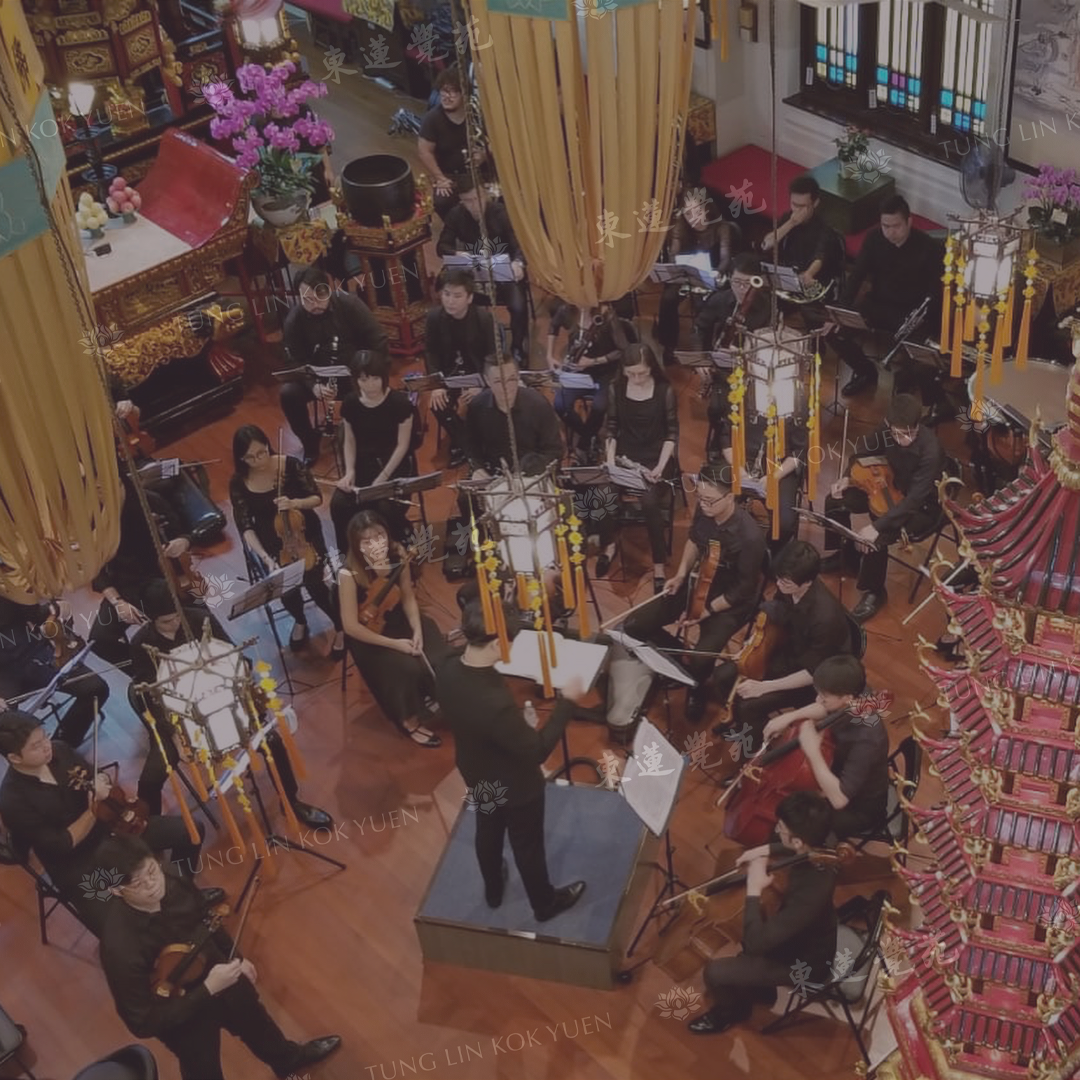
This event marks the first public opening of the Medicine Buddha Hall, with the aim of fostering collective mindfulness through the harmonious practice of “The Five Variations of Reciting the Name of Amitabha” within the hall’s dignified and sacred space. Participation in this practice encourages attendees to develop spiritual awareness, apply the teachings to their everyday activities, and foster ethical qualities.
“The Five Variations of Reciting the Name of Amitabha” is a profound and time-honoured practice within Buddhist tradition. It involves chanting the Buddha’s name in five distinct tones and rhythms, symbolizing a state of serenity and sincerity during the recitation. By consistently adopting this method, practitioners can gradually eliminate distracting thoughts and achieve the benefits of deep spiritual cultivation.
The Pure Land School is a Buddhist tradition centered on the goal of attaining rebirth in Amitabha Buddha’s Western Pure Land of Ultimate Bliss. It emphasizes the practice of reciting the Buddha’s name rather than rigorous ascetic practices or complex doctrinal study. Among the various methods of Buddha name recitation, “The Five Variations of Reciting the Name of Amitabha” stands out for its harmonious and melodic approach.
This method was established by Master Fazhao, the Fourth Patriarch of the Lotus School during the Tang Dynasty (circa 747–821), and is also referred to as the “Five-Toned Buddha Recitation.” According to tradition, while Master Fa Zhao was practicing the Samadhi of Buddha Name Recitation at Mount Nanyue’s Amitabha Terrace for ninety days, he entered meditative concentration and perceived the Pure Land of Ultimate Bliss in the West. There, he heard the harmonious Five-Toned Recitation sung by the Buddhas, Bodhisattvas, birds, and trees of the Pure Land. Upon emerging from meditation, Master Fa Zhao formalized “The Five Variations of Reciting the Name of Amitabha” method based on the teachings of Infinite Life Sutra, as spoken by the Buddha.
The Tang Emperor Daizong later honored Master Fa Zhao as the National Preceptor, inviting him to the imperial palace to teach Buddha name recitation to members of the royal household. Unfortunately, The Five-Variation Chanting of Amitabha was lost over time, largely due to the Huichang Persecution of Buddhism under Emperor Wuzong during the Tang Dynasty.
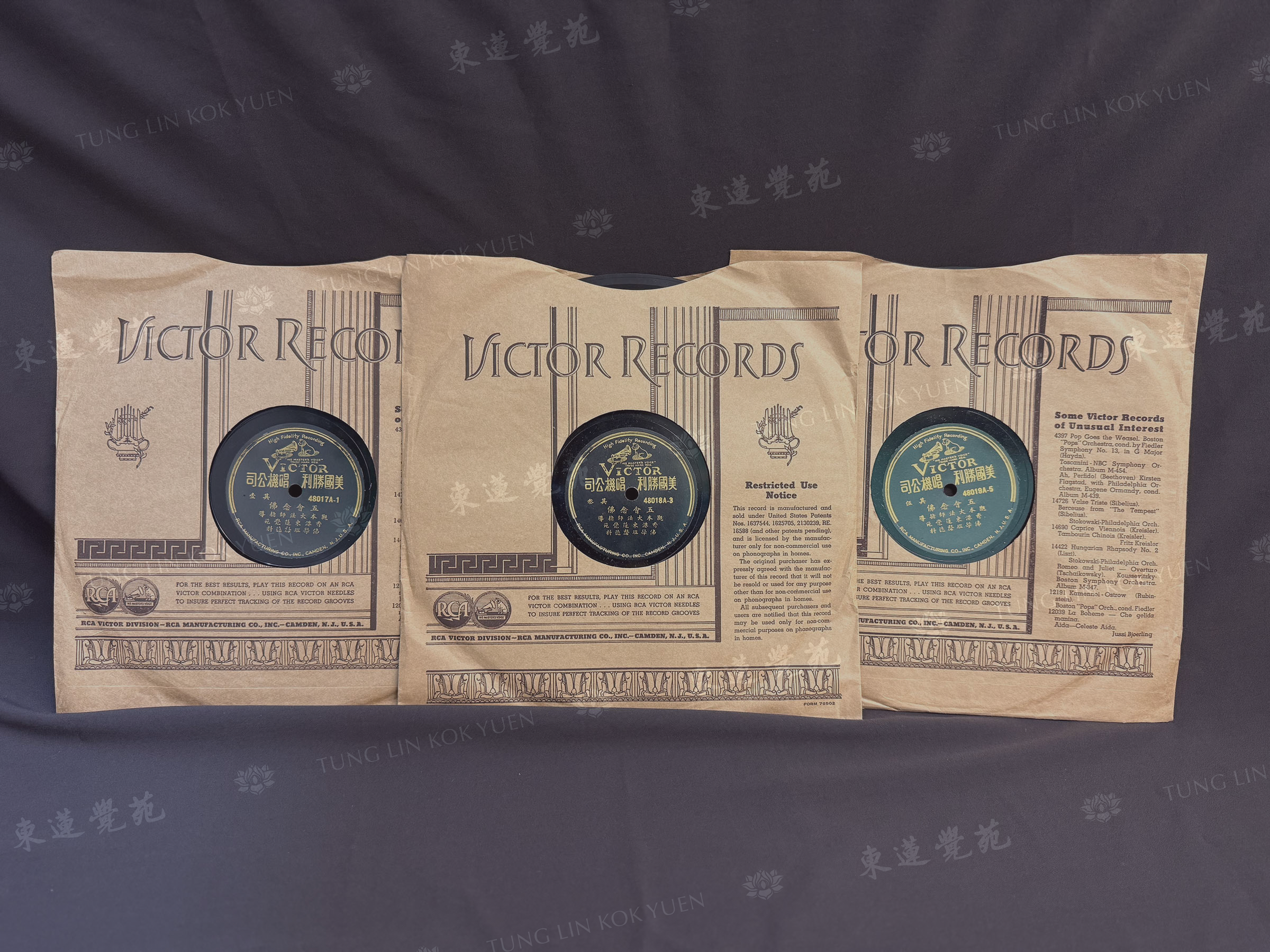
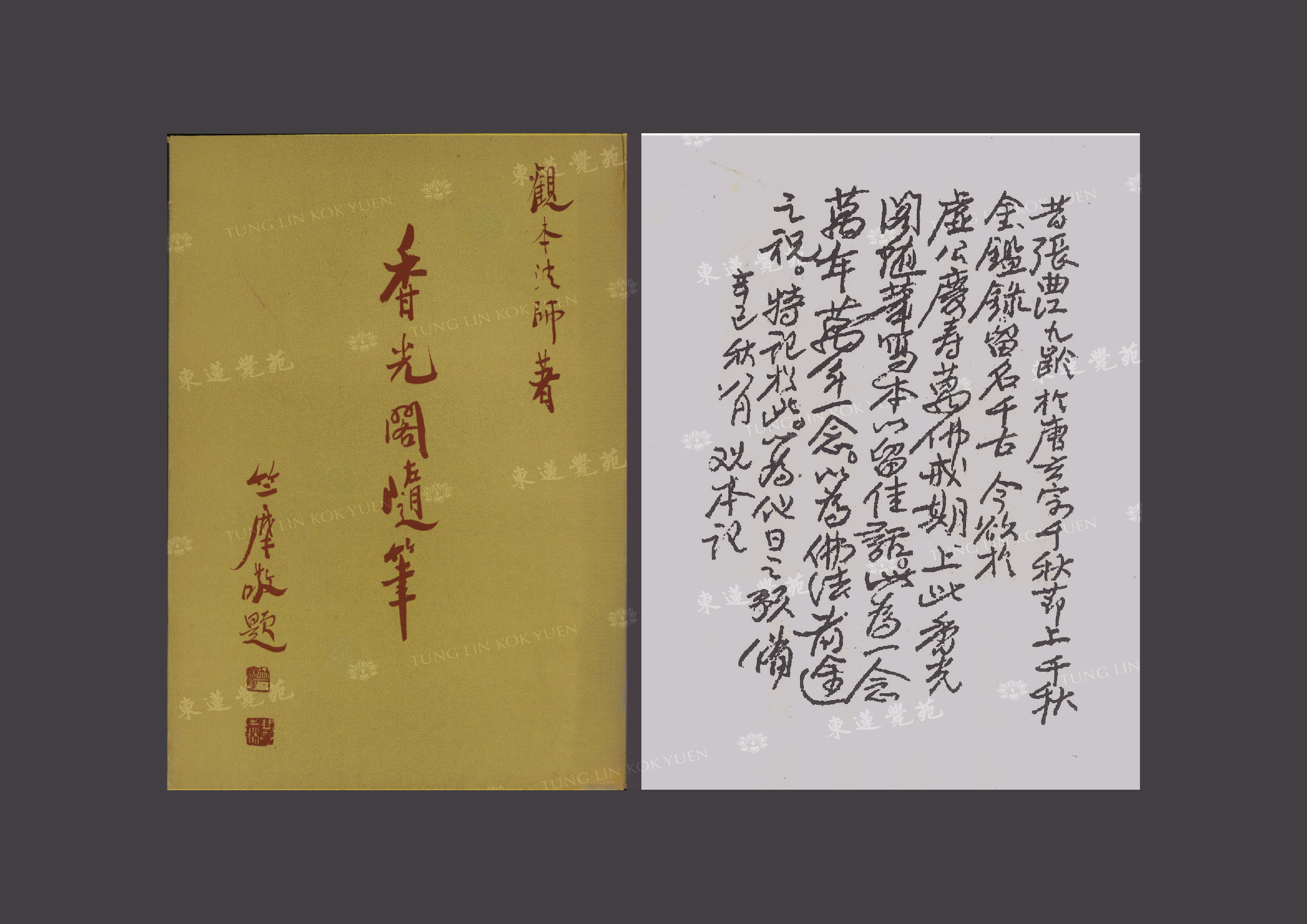
In modern times, Venerable Kwan Bun (1868–1946), who specialized in the Pure Land teachings, discovered an ancient Dunhuang scroll during his studies in Japan. Inspired by its origins, he developed “The Five Variations of Reciting the Name of Amitabha” and published the “The Five Variations of Reciting the Name of Amitabha Score ” in 1931. To promote and preserve these teachings, he guided students from Tung Lin Kok Yuen Buddhist Seminary to produce recordings of the chants on vinyl records, fulfilling his vow to propagate the Pure Land practice.
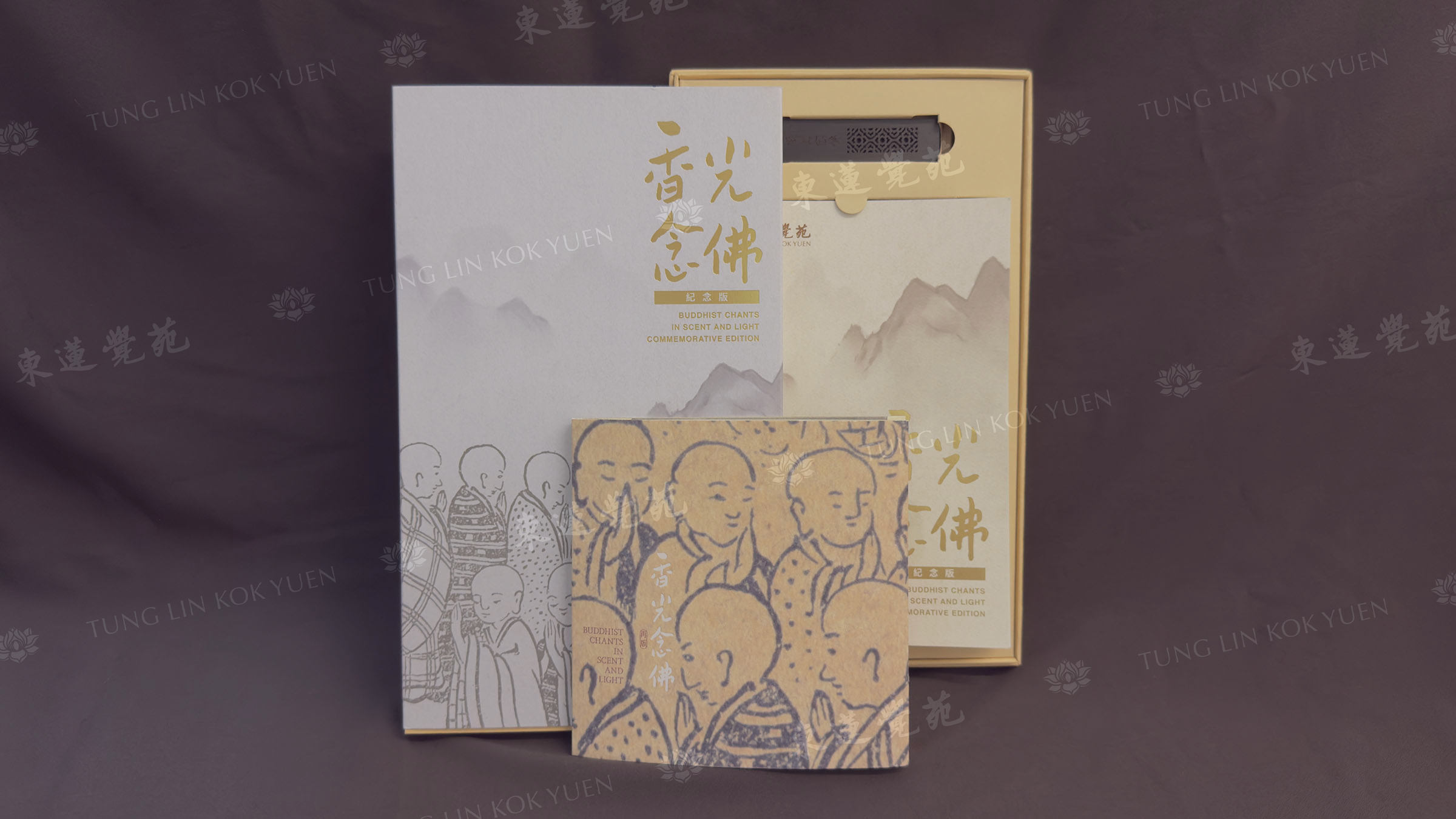
To spread these sacred sounds and benefit all beings, TLKY has preserved the legacy by re-recording the chants and using multimedia and orchestral performances to engage the public and promote this profound practice.