The Grand Buddha Hall is the main hall in Buddhist monastery dedicated to enshrining Buddha statues. ” Daxiong ” is one of the honorific titles of Sakyamuni Buddha, signifying the Buddha’s supreme wisdom and unparalleled strength, capable of triumphing over the Four Maras.
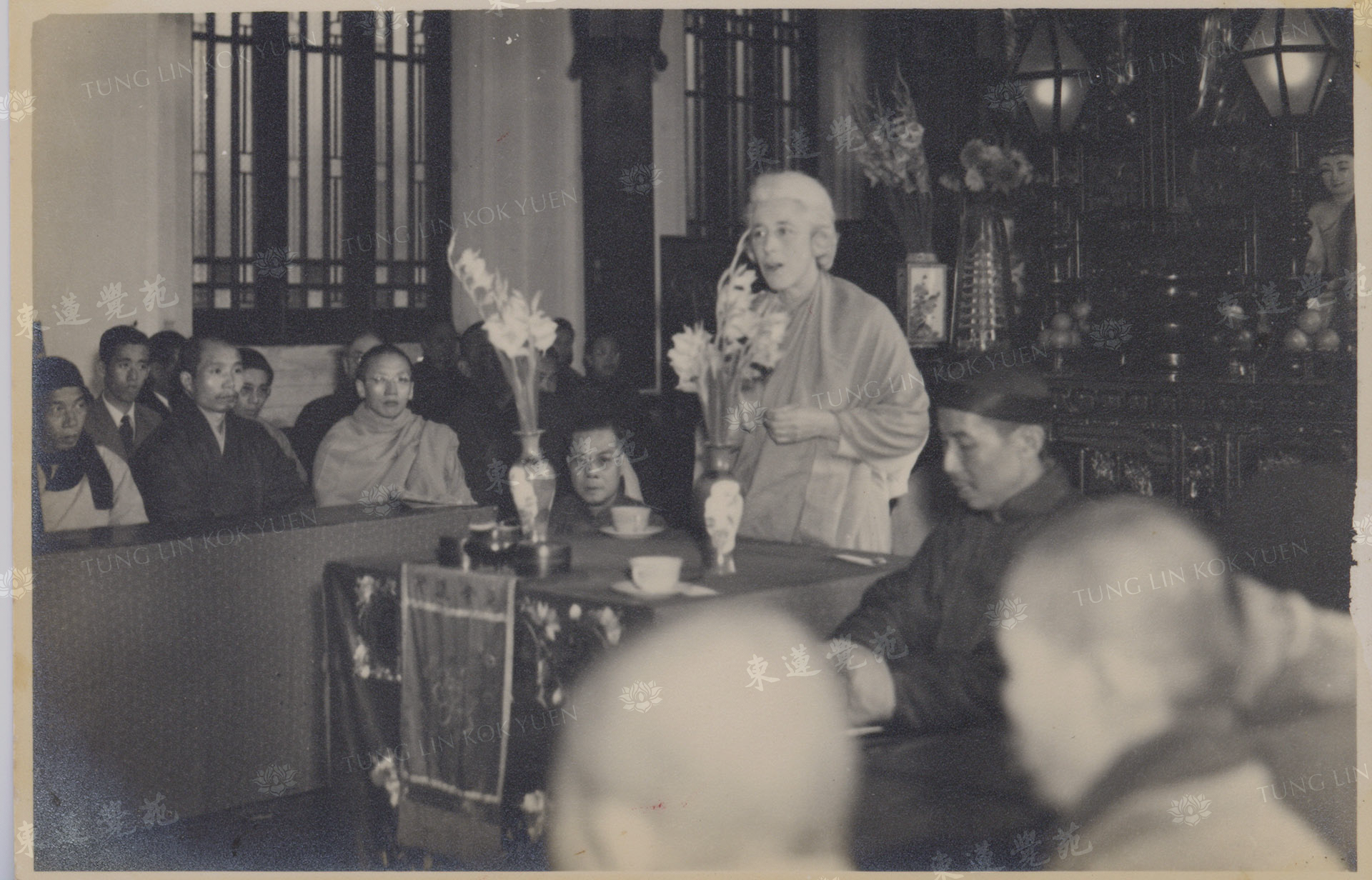
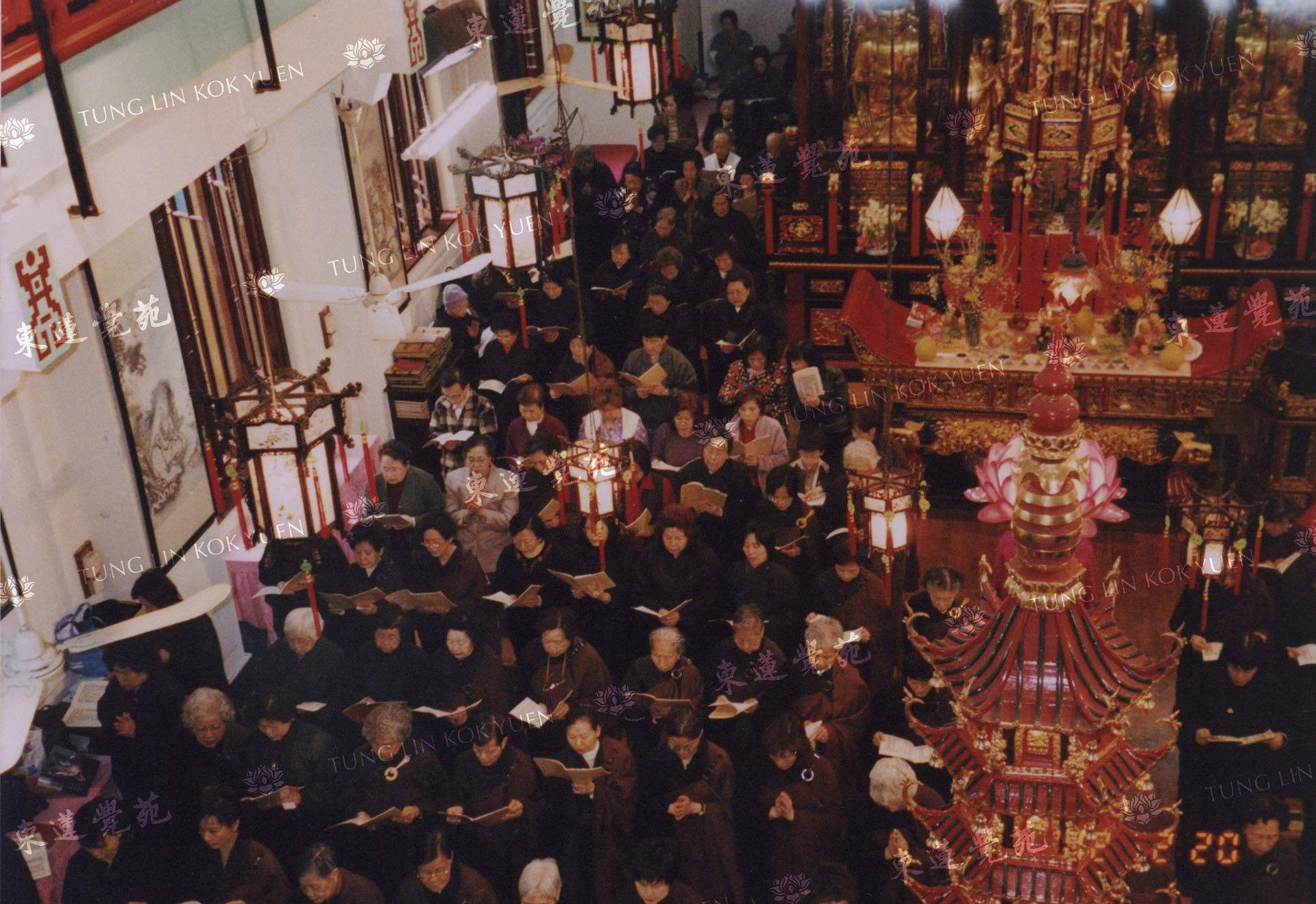
Participating in morning and evening chanting sessions and worshipping in the Grand Buddha Hall, traditionally referred to as ” Ascending the Hall” (上殿), remains a treasured memory for alumni of the Po Kok Free School. The arched bridge connecting the assembly hall to Tung Lin Kok Yuen was an essential pathway for students attending evening chanting sessions. Before entering the Grand Buddha Hall, both teachers and students were required to observe ceremonial practices: wearing white socks, joining palms, maintaining silence, and queueing orderly along the eastern and western entrances.
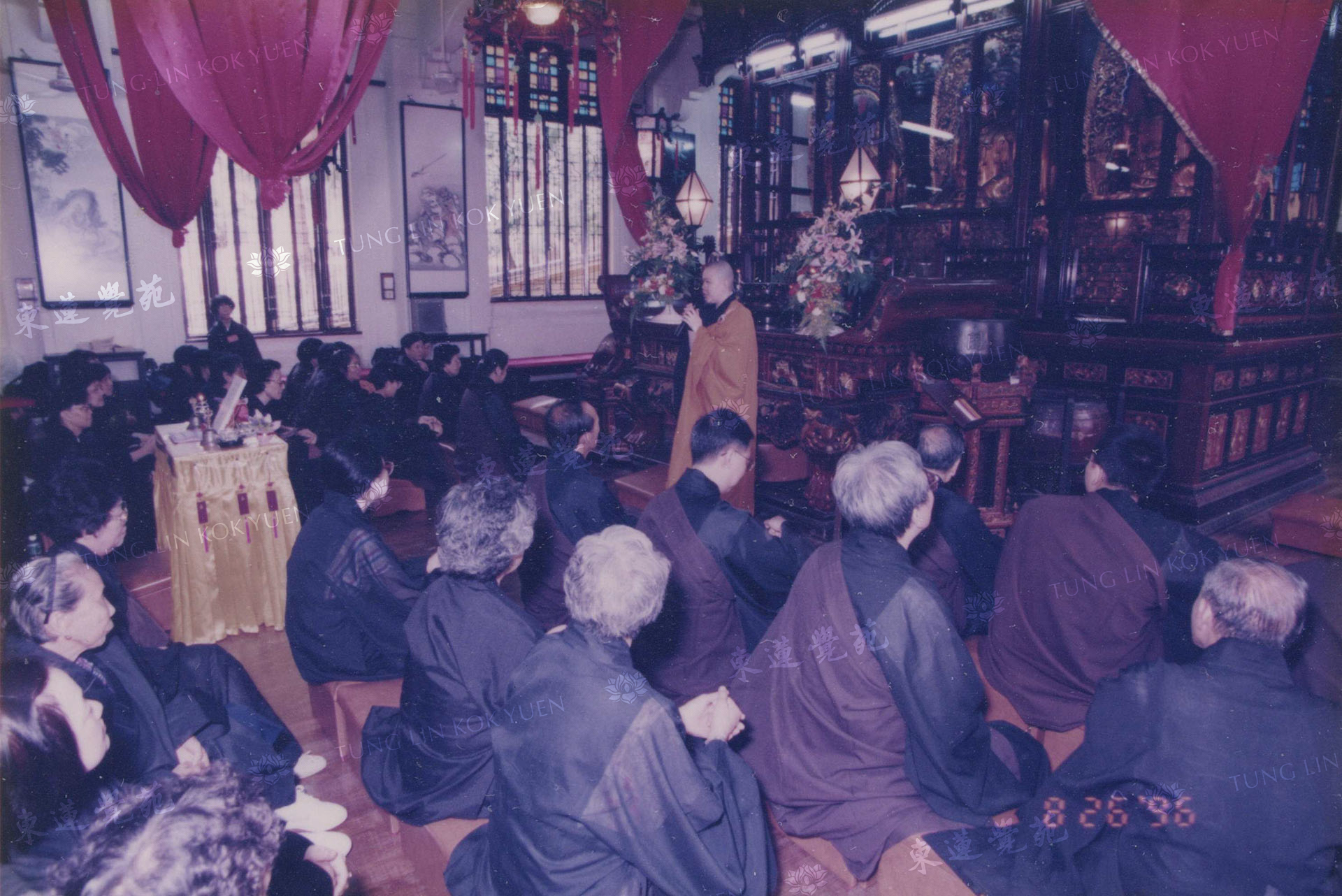
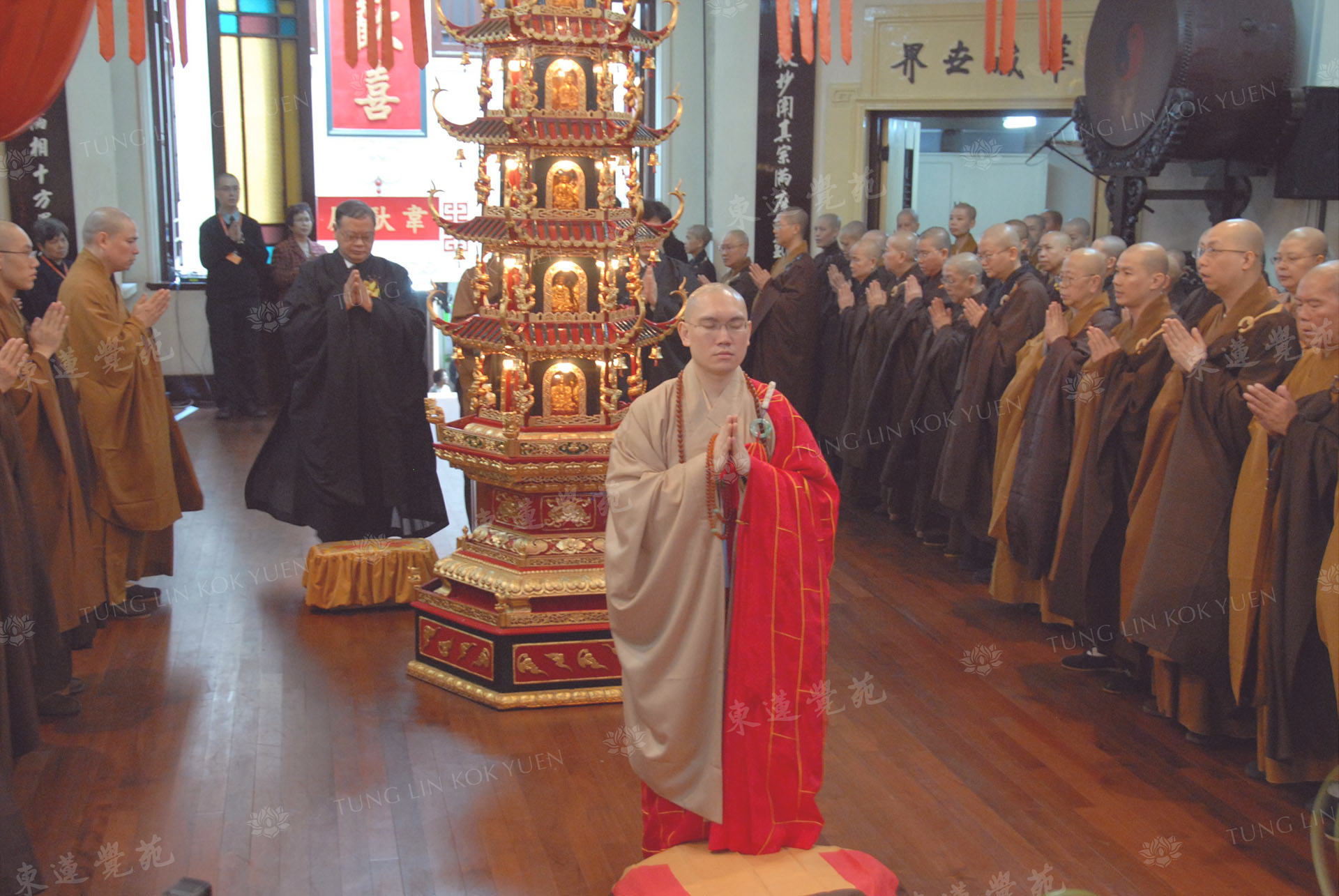
Once inside, participants followed the Dharma masters’ guidance, beginning with respectful bowing to the Three Jewels (Buddha, Dharma, and Sangha). They began with the recitation of sutras and scripture chanting. Led by the Dharma master and supported by Buddhist Studies students, the entire assembly engaged in evening rituals. These sessions not only provided an opportunity to connect with the Three Jewels but also allowed participants to cultivate an understanding of Buddhist ceremonial traditions, familiarise themselves with Mahayana scripture recitation, and experience the transformative teachings of the Dharma.
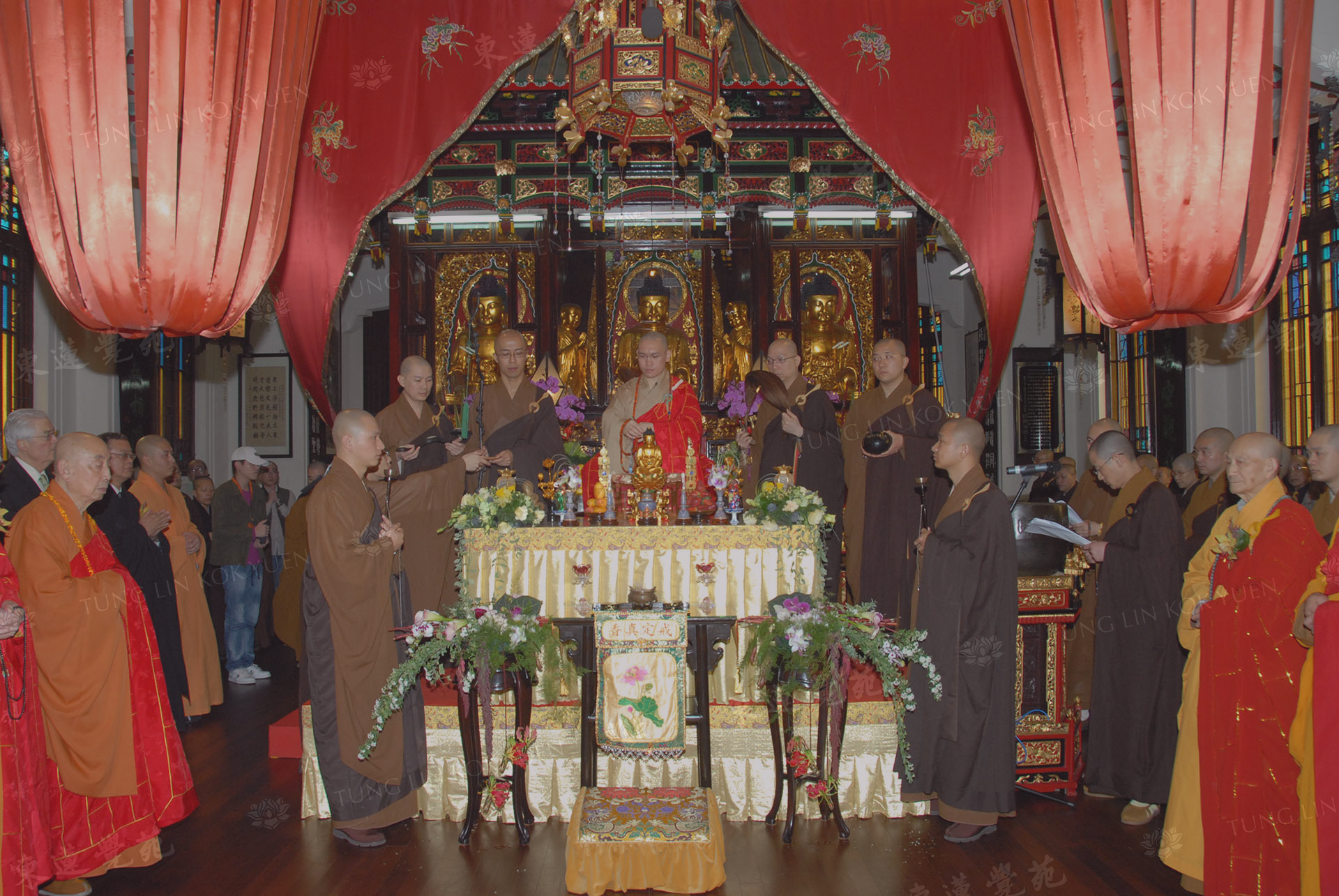
The Grand Buddha Hall serves as the heart of the monastery, functioning as the central sanctuary for monks’ chanting and meditation, as well as a place for devotees to worship and pray. Situated on the third level of the monastery’s central axis, it is the most expansive and architecturally intricate space in the complex, with clearly defined layers. Inside the hall, one is immersed in a profound atmosphere of solemnity and reverence.
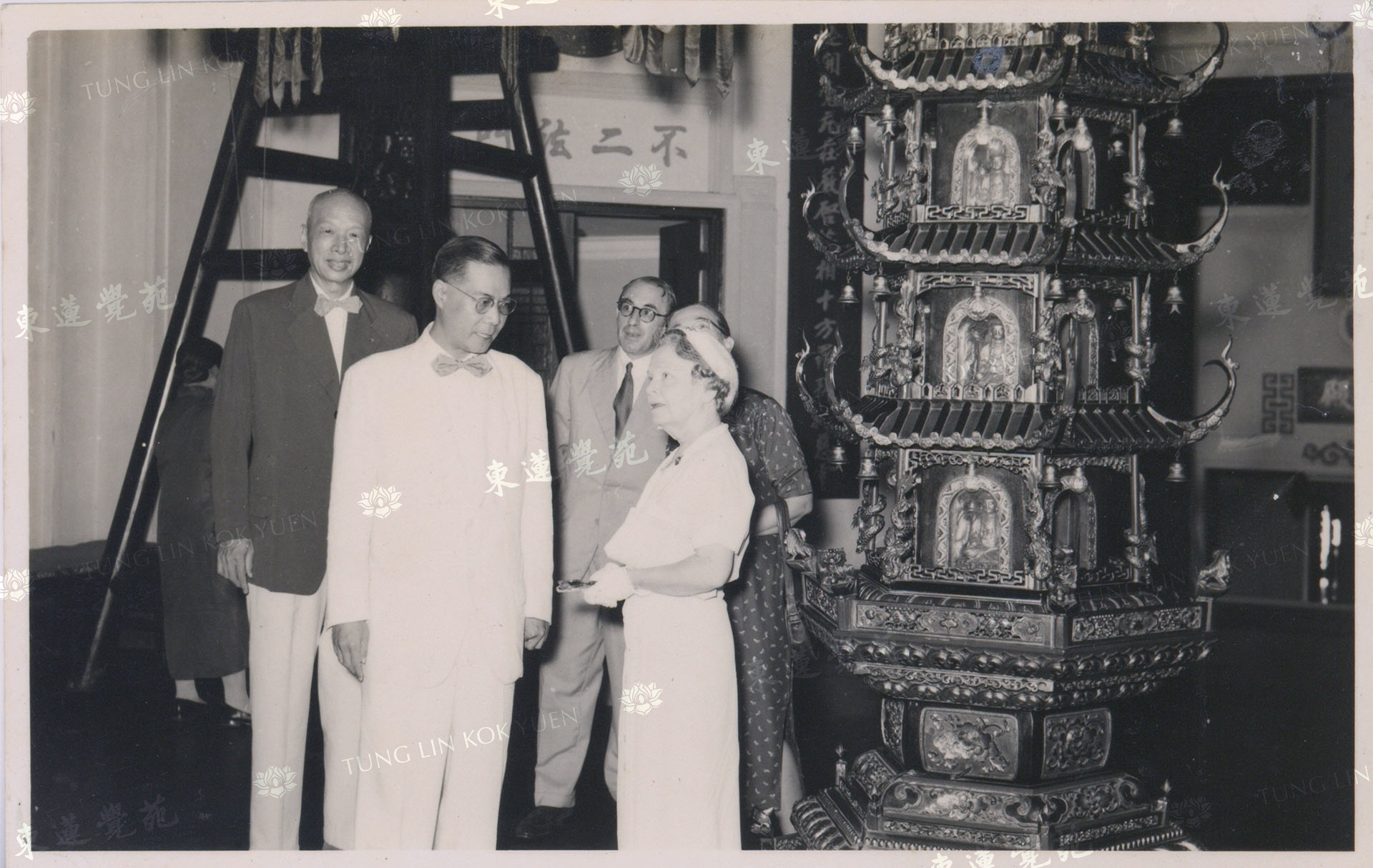
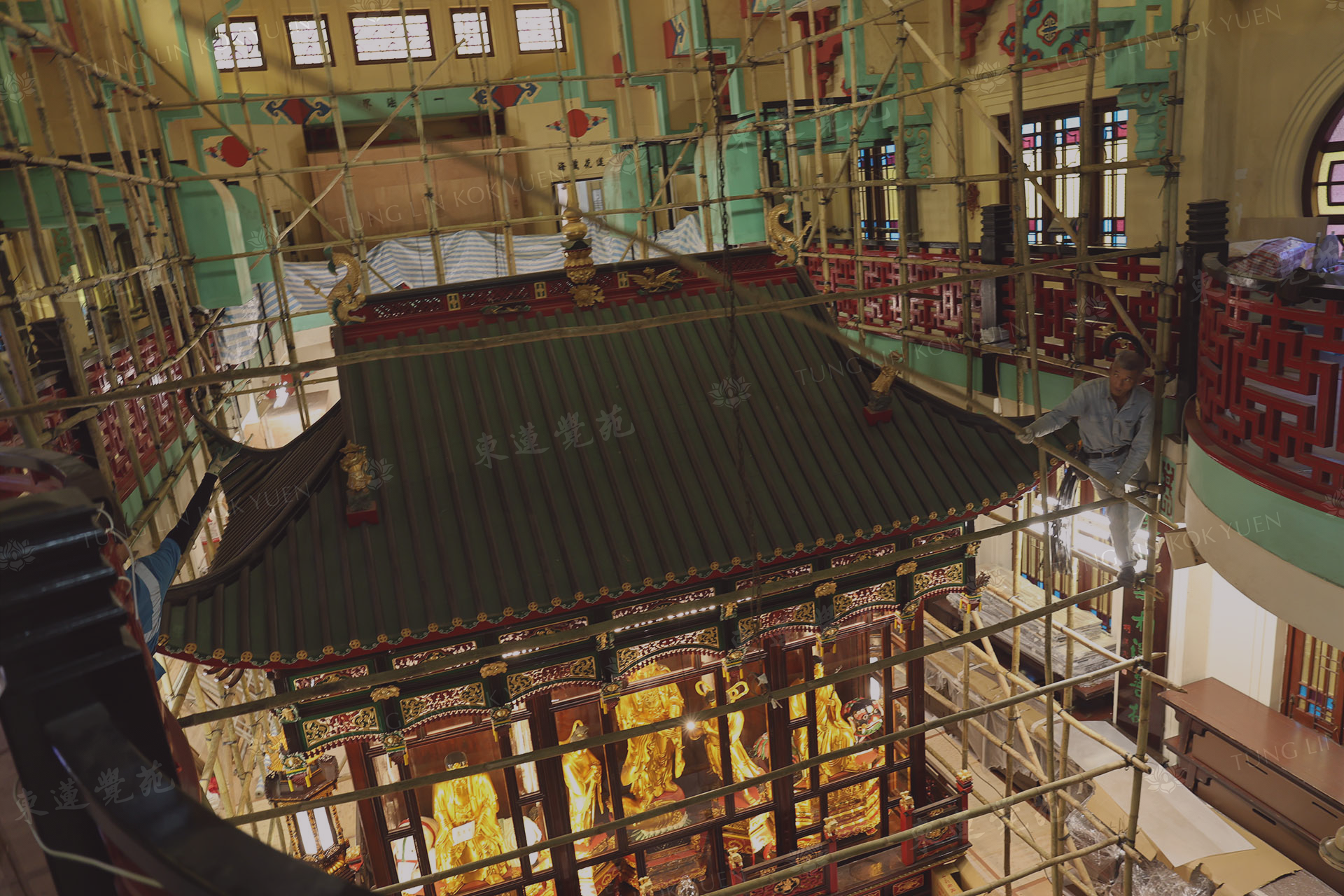
Departing from the traditional horizontal layout of Chinese monasteries, the Grand Buddha Hall adopts a vertical design tailored to the monastery’s narrow terrain, emphasizing height to enhance its grandeur. The layout consists of a central hall, walkways, and an alcove reminiscent of a semi-circular apse. Along the longitudinal axis, the entrance features a seven-tiered Medicine Buddha Pagoda, followed by the Three Buddhas, symbolizing transcendence. Behind the main altar lies the Guanyin Hall, dedicated to Avalokiteshvara, Samantabhadra, and Manjushri Bodhisattvas.
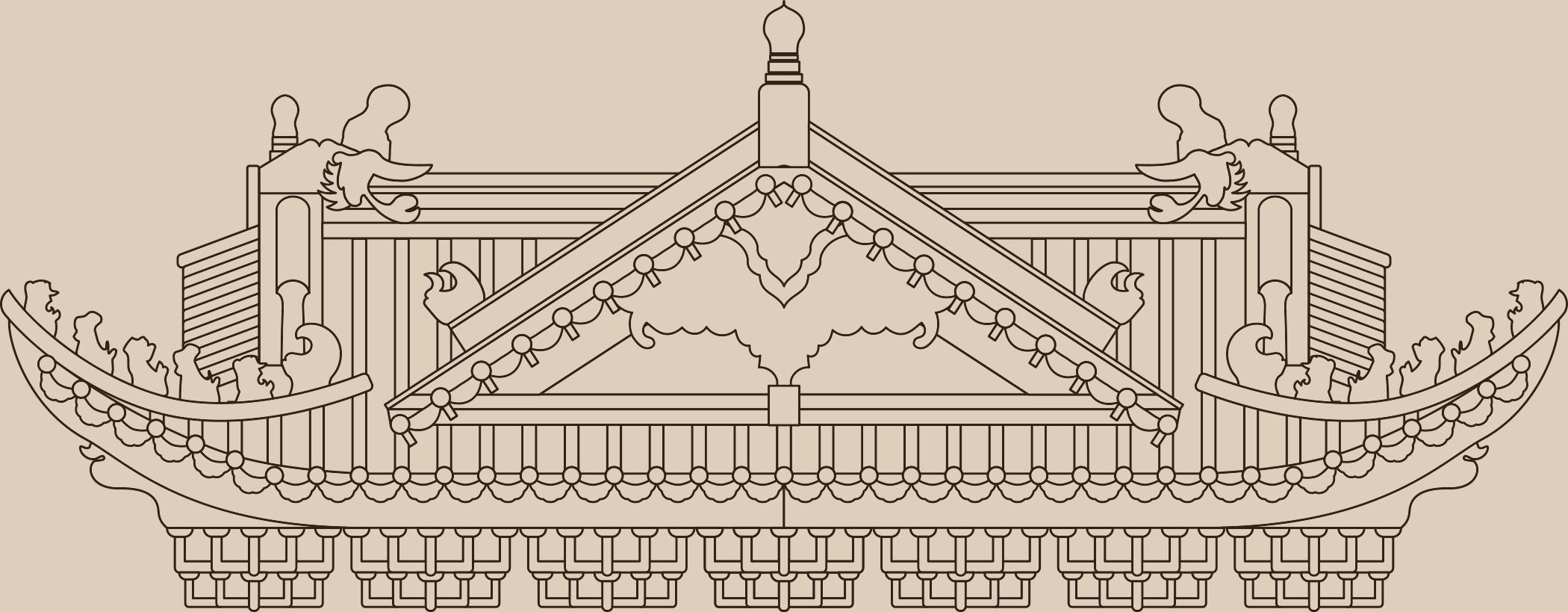
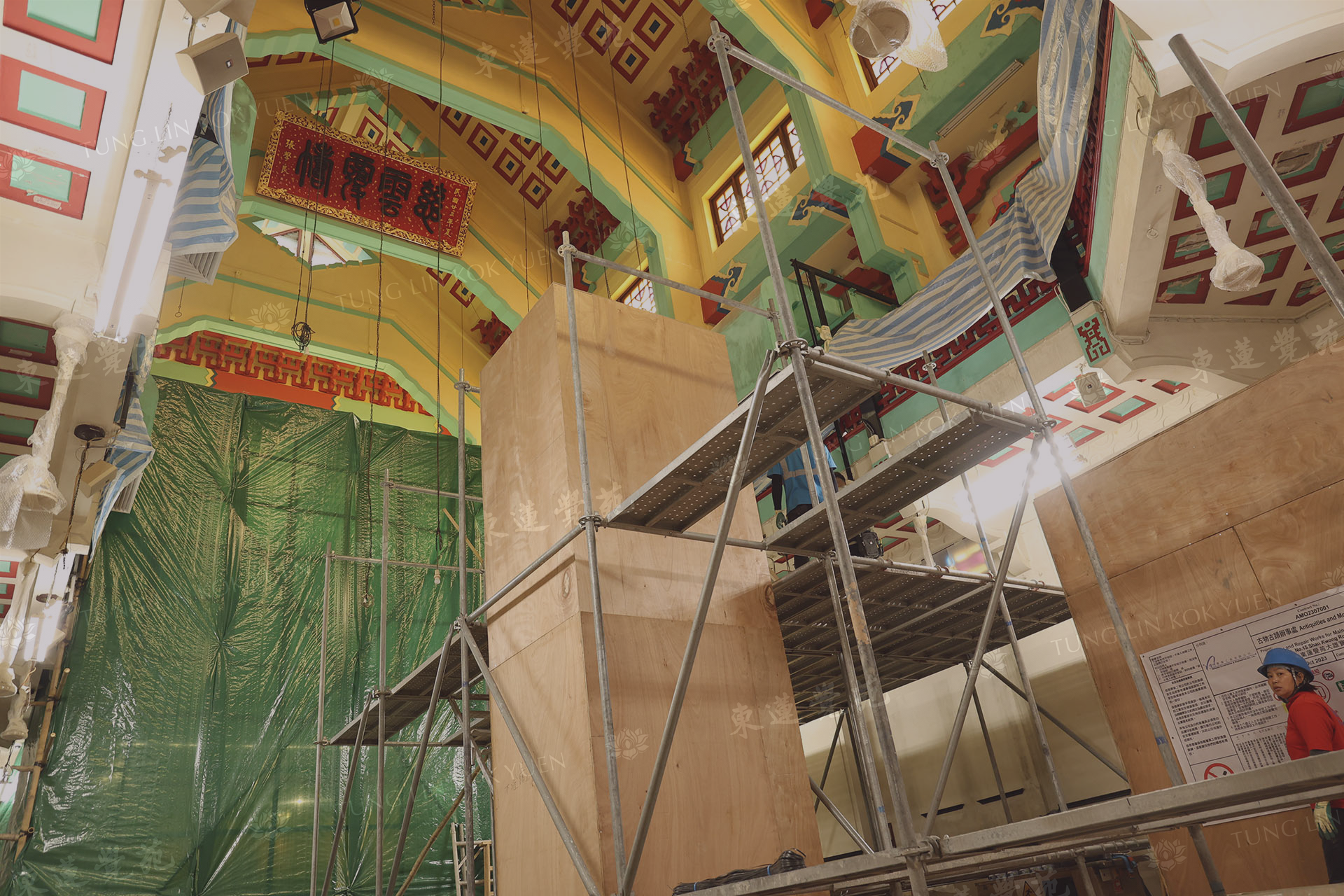
While the interior layout of the Grand Buddha Hall reflects influences from Western architecture, the overall design remains predominantly rooted in traditional Chinese aesthetics. The hall is crowned with a hip-gable roof adorned with yellow glazed tiles, while its structure employs modern reinforced concrete. The interior space spans the full height of the building, revealing the roof’s contemporary beam-and-bracket construction upon looking upward. The design harmoniously incorporates traditional Chinese elements such as upturned eaves and dougong brackets, while adhering to traditional Chinese techniques in coloration and craftsmanship.
These intricate details are evident in the walkway railings, wall and ceiling plasterwork, and the carvings on door frames and panels. Decorative elements such as beams, latticework, and caisson ceilings further enhance the hall’s opulence. The side elevation of Tung Lin Kok Yuen clearly reveals the five-bay layout of the Grand Buddha Hall, along with the exquisite “Twin Dragons Fight for a Pearl ” motif on the roof ridge. The “pivoting windows” feature interwoven wooden strips forming geometric patterns, with rotating axes that allow them to slide horizontally. This design not only adds aesthetic appeal but also optimizes spatial efficiency when opened.
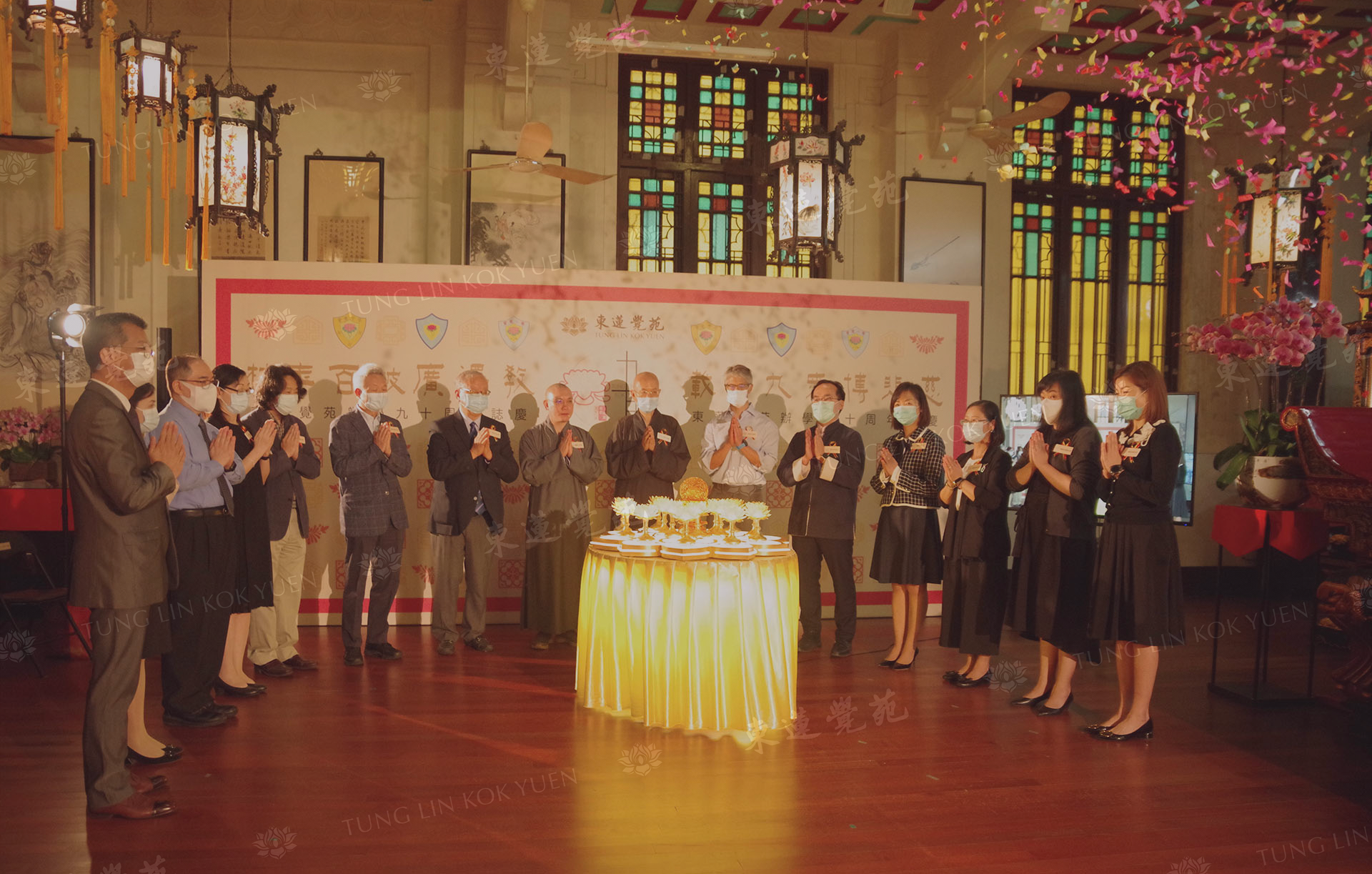
In September 2020, the first phase of the Grand Buddha Hall’s conservation began, focusing on its exterior and wooden windows. Original window components in good condition were preserved, while traditional techniques such as mortise and tenon joints, splice repairs, and hemp caulking were used to address water leakage and maintain their rustic charm, adhering to the ” Restoration to Original Form” principle. The hall is set to reopen on Buddha’s Birthday in 2025.